As we come to the end of the June learning challenge, I want to extend a heartfelt congratulations to everyone who participated and dedicated themselves to learning new skills. Whether you mastered a hobby, explored a new interest, or simply took the first steps toward a goal, your commitment to personal growth is truly inspiring. Remember, learning doesn’t stop here—it’s a lifelong journey. Let’s continue to embrace curiosity, challenge ourselves to learn something new every day, and support each other in our pursuits. Together, we can cultivate a community of lifelong learners who thrive on knowledge, creativity, and continuous improvement. Here’s to celebrating our achievements and eagerly looking forward to the next learning adventure ahead!
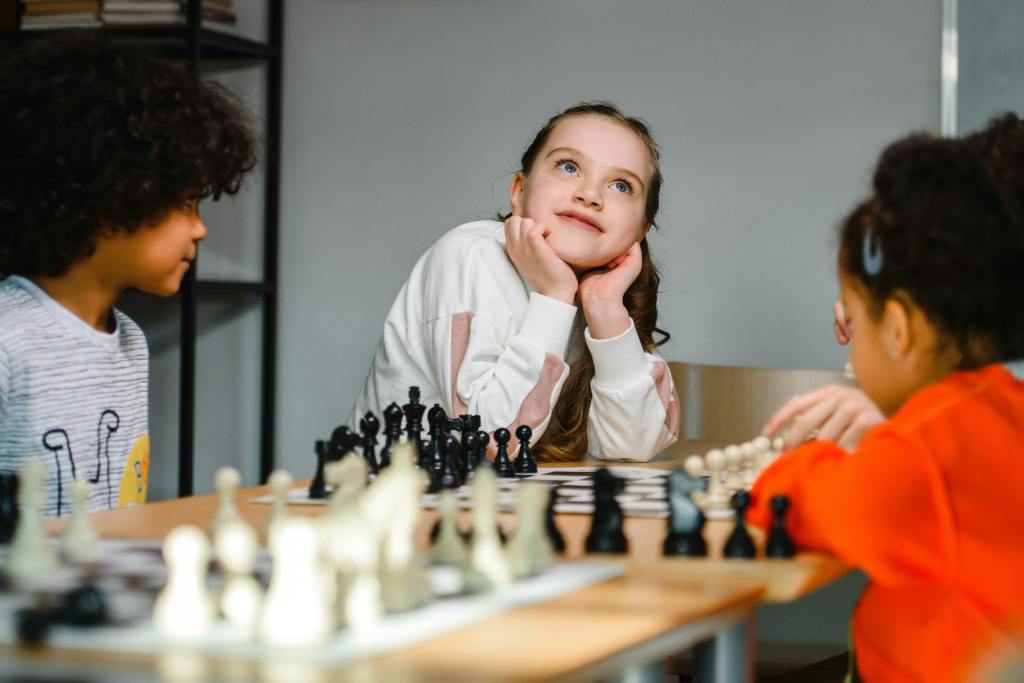
Learning chess is like entering a world of strategy, where every move counts and you become the master of your own game! Chess isn’t just about moving pieces—it’s about planning ahead, thinking critically, and sharpening your mind with every move you make. When you learn chess, you can challenge yourself to outwit your opponent, learn from your mistakes, and develop patience and concentration. Chess teaches us problem-solving skills, sportsmanship, and the thrill of competition in a friendly and strategic way. It’s like having a secret weapon that trains your brain while having loads of fun. So, set up your chessboard, pick your favorite pieces, and get ready to explore the exciting world of chess—it’s time to make your moves and become a chess champion!
To get started learning chess with your family, set up a quiet and comfortable space where you can focus on the game without distractions. Begin by learning the basic rules of chess, such as how each piece moves and captures, and the objective of the game—to checkmate your opponent’s king. Use online tutorials, chess books, or apps to study different strategies and tactics, starting with simple openings and endgame techniques. Practice playing friendly matches with family members to reinforce what you’ve learned and improve your skills. Discuss each game afterwards to analyze your moves, learn from each other’s strategies, and celebrate victories or close matches. Consider joining a local chess club or online chess community where you can play against other players and participate in tournaments to challenge yourself even further. With dedication and practice, learning chess as a family can be a rewarding and intellectually stimulating activity that brings hours of enjoyment and friendly competition!
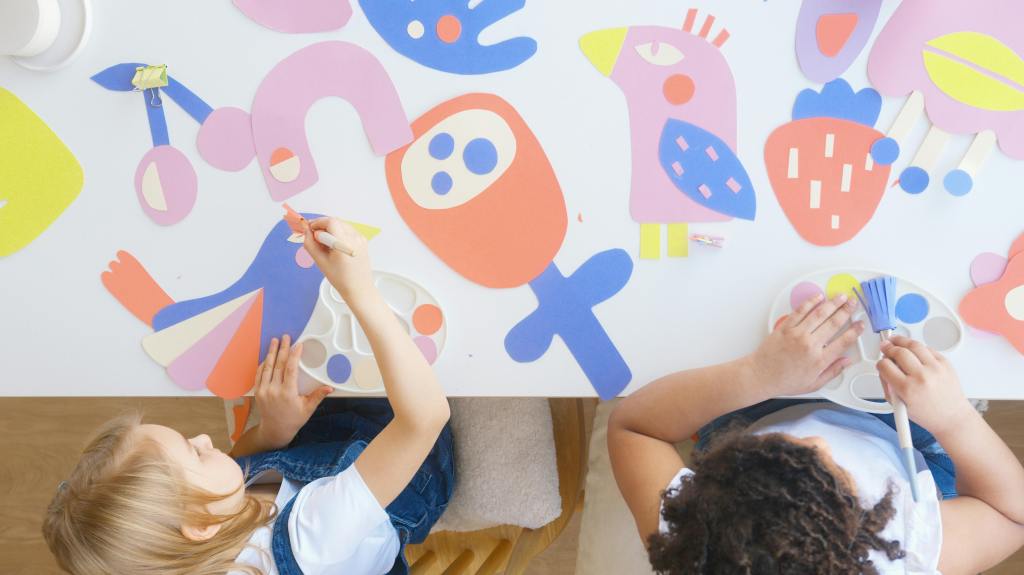
Learning a new craft is like uncovering a treasure trove of creativity and fun adventures! Crafting isn’t just about making things—it’s about exploring your imagination, learning new skills, and creating something special with your own hands. When you learn a new craft, whether it’s knitting, painting, or making jewelry, you can express yourself in unique ways, make personalized gifts for loved ones, and even decorate your space with handmade treasures. Crafting teaches us patience, problem-solving, and the joy of seeing our ideas come to life. It’s like having a magic wand that turns everyday materials into works of art. So, gather your supplies and get ready to dive into the world of crafting—it’s time to unleash your creativity and embark on exciting crafting adventures!
To get started learning a new craft with your family, choose a craft that interests everyone and gather basic supplies such as yarn, paint, beads, or clay. Find a comfortable and well-lit space where you can work together without distractions. Begin by watching online tutorials, reading craft books, or taking a class to learn the basic techniques and skills needed for your chosen craft. Start with simple projects or beginner-friendly patterns that allow you to practice and build confidence. Work together as a team to help each other understand the instructions, troubleshoot any challenges, and share creative ideas. Set aside regular times each week for crafting sessions and make it a fun and relaxing activity for everyone to enjoy. Celebrate each completed project and display your handmade creations proudly around your home or give them as gifts to friends and family. With teamwork, creativity, and a sense of adventure, learning a new craft can be a rewarding and enjoyable experience that brings joy and creativity to your family’s life!
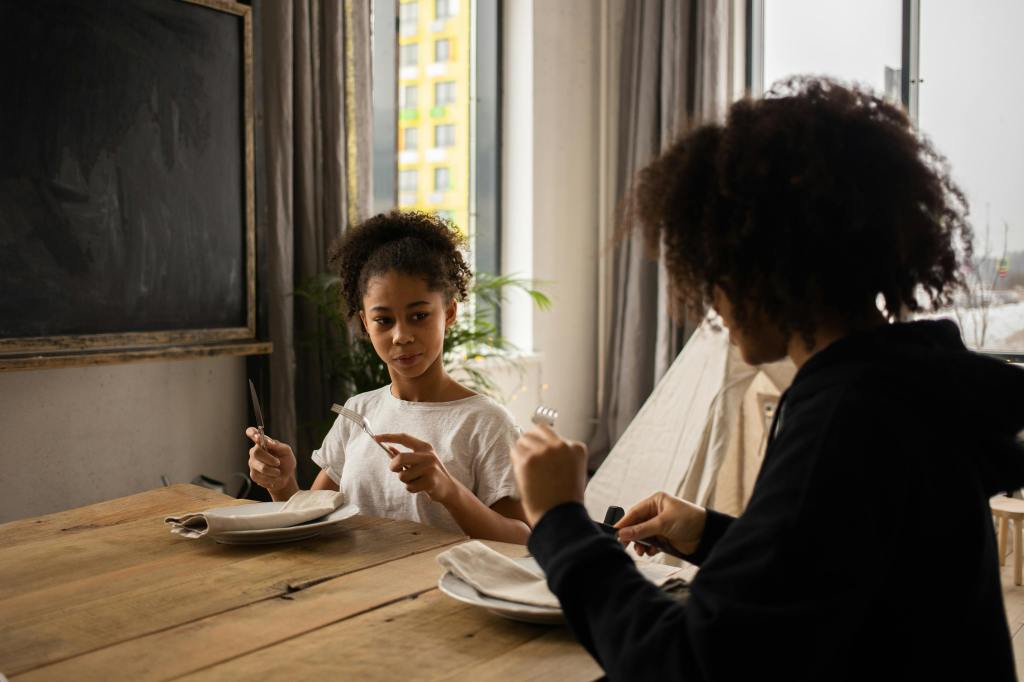
Learning good manners is like discovering a secret code that helps you show respect and kindness to everyone around you! Good manners aren’t just about saying “please” and “thank you”—they’re about being polite, considerate, and making others feel valued and appreciated. When you learn good manners, you can make friends easily, communicate effectively, and show appreciation for the people in your life. Good manners teach us how to behave in different situations, such as at the dinner table, in school, or when meeting new people. It’s like having a superpower that helps you build positive relationships and make a positive impression wherever you go. So, whether it’s holding the door open for someone, sharing toys with friends, or saying “excuse me,” get ready to learn the magic of good manners—it’s time to show respect and kindness in everything you do!
To get started learning good manners with your family, begin by discussing the importance of being polite and considerate towards others. Practice saying “please,” “thank you,” and “you’re welcome” in everyday interactions at home and in public. Role-play different scenarios with your family, such as introducing yourself to someone new, sharing a meal together, or offering help to someone who needs it. Set a good example for each other by using polite language and showing respect towards family members and others. Talk about the importance of listening when others are speaking, using kind words, and respecting personal space. Create a manners chart or checklist to track your progress and reward each other for using good manners consistently. Encourage open communication and discuss any questions or challenges that arise as you learn and practice good manners together. With patience and practice, using good manners will become a natural part of how you interact with others and make the world a friendlier and more respectful place!
Learning to serve others is like discovering the power to make a positive difference in people’s lives and in your community! Serving others isn’t just about helping out—it’s about showing kindness, empathy, and making the world a better place for everyone. When you learn to serve others, you can brighten someone’s day with a smile, lend a helping hand to those in need, or share your time and talents to make a meaningful impact. Serving others teaches us gratitude, compassion, and the importance of giving back to those around us. It’s like having a superpower that spreads happiness and makes the world a warmer and friendlier place. So, whether it’s helping a neighbor, volunteering at a local charity, or supporting your family, get ready to discover the joy of serving others—it’s time to make a difference and show kindness wherever you go!
To get started learning to serve others with your family, begin by discussing ways you can help each other and those in your community. Start small by offering to assist with chores or tasks around the house, such as cleaning up, cooking a meal together, or helping with homework. Look for opportunities to volunteer together at local shelters, food banks, or community events where you can lend a hand and make a positive impact. Brainstorm ideas for projects or initiatives that your family can support, such as organizing a neighborhood cleanup, collecting donations for a charity, or writing letters to seniors in nursing homes. Encourage each other to take turns leading service projects and involve everyone in planning and executing them. Reflect on the experiences and discuss how serving others makes you feel and the impact it has on those you help. With teamwork and a commitment to kindness, serving others as a family can be a rewarding and fulfilling way to spread joy and make a difference in your community!
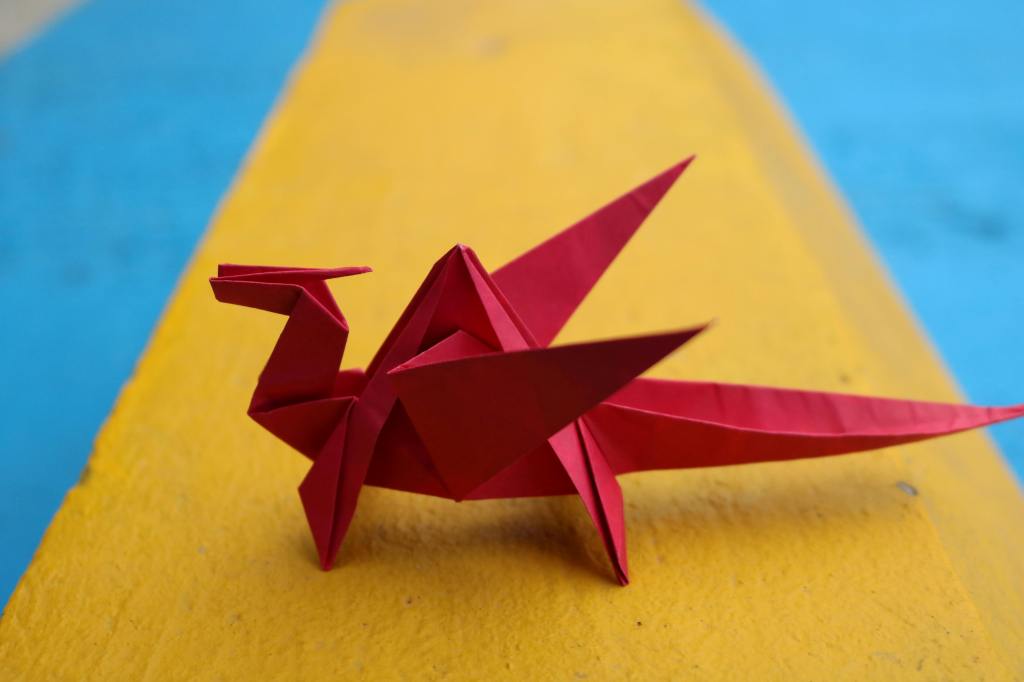
Learning origami is like discovering a magical art form where you can transform simple pieces of paper into amazing creations! Origami isn’t just about folding paper—it’s about being creative, following instructions, and making something beautiful with your own hands. When you learn origami, you can make paper animals, flowers, and even intricate shapes that amaze your friends and family. Origami teaches us patience, concentration, and the joy of turning a flat sheet of paper into a work of art. It’s like having a superpower that lets you create something wonderful out of almost nothing. So, grab your colorful paper and get ready to fold—it’s time to explore the world of origami and unleash your creativity!
To get started learning origami with your family, find a quiet and well-lit space where you can work together without distractions. Begin with simple origami projects like paper airplanes, boats, or hats to get comfortable with basic folding techniques. Use origami books, online tutorials, or instructional videos to learn step-by-step instructions for different origami designs. Start with easy-to-follow diagrams or videos that show you how to make each fold and crease correctly. Practice folding with scrap paper or old newspapers before using your favorite colorful origami paper. Encourage each other to try different designs and share tips or tricks that help you improve your folding skills. Display your completed origami creations around your home or give them as gifts to friends and family to spread joy and share your newfound passion for origami. With practice and creativity, you’ll soon be folding paper like a pro and creating beautiful origami masterpieces together as a family!
Learning to solve a Rubik’s Cube is like mastering a colorful puzzle that challenges your brain and sparks your problem-solving skills! Solving a Rubik’s Cube isn’t just about aligning colors—it’s about thinking ahead, using logic, and discovering patterns that unlock the secrets of this iconic toy. When you learn to solve a Rubik’s Cube, you gain confidence in your ability to tackle complex challenges, improve your spatial awareness, and impress your friends with your puzzle-solving prowess. It’s like having a magic cube that teaches you patience and perseverance while keeping your mind sharp and engaged. So, grab your cube and get ready to twist and turn your way to victory—it’s time to conquer the Rubik’s Cube and unlock its mysteries!
To get started learning to solve a Rubik’s Cube with your family, gather everyone together in a quiet space where you can focus on the cube without distractions. Begin by familiarizing yourselves with the different parts of the cube—like the center pieces that stay in place and the edge and corner pieces that move around. Learn the basic moves or algorithms needed to manipulate the cube, such as turning the sides or layers in specific sequences to rearrange the pieces. Use online tutorials, books, or apps to learn different solving methods, starting with beginner-friendly techniques like the layer-by-layer method or the beginner’s method. Practice solving the cube together step by step, encouraging each other and sharing tips or strategies that help you progress. Start with patience and take breaks when needed—solving a Rubik’s Cube takes time and practice, but with teamwork and determination, you’ll soon be mastering this colorful challenge and impressing everyone with your cube-solving skills!
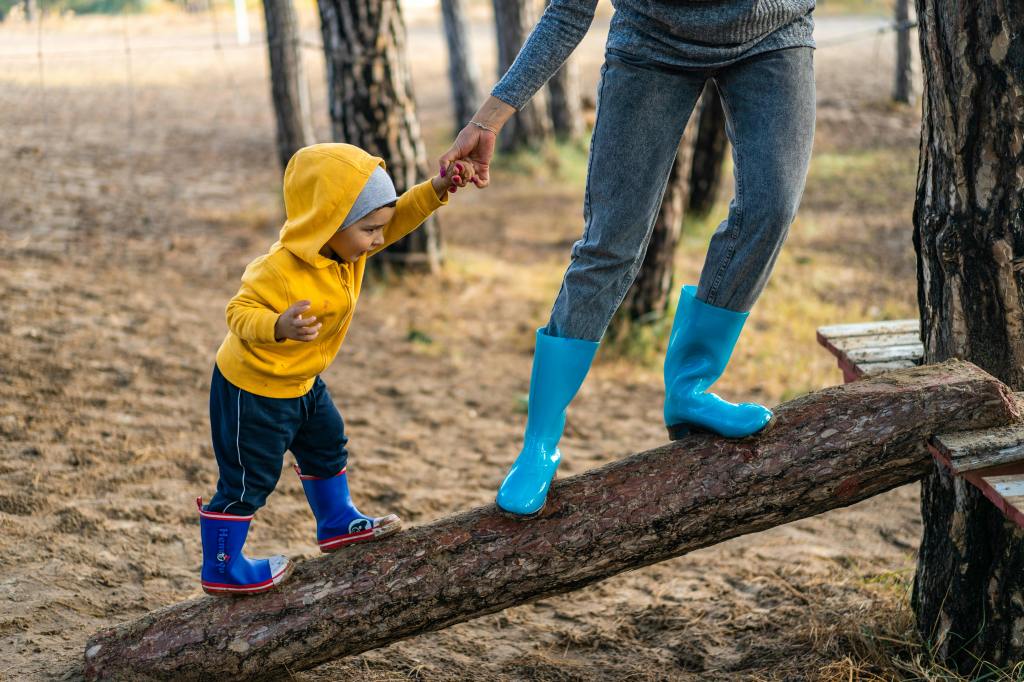
Learning to set goals is like discovering a treasure map that guides you toward exciting adventures and achievements! Setting goals isn’t just about dreaming—it’s about making plans, staying focused, and taking small steps to turn your dreams into reality. When you learn to set goals, you can achieve things you never thought possible, whether it’s learning a new skill, getting better at a sport, or making new friends. Goal-setting teaches us perseverance, determination, and the power of believing in ourselves. It’s like having a secret superpower that helps you overcome challenges and reach for the stars. So, grab a pencil and paper, and get ready to map out your dreams—it’s time to set goals and make your dreams come true!
To get started learning to set goals with your family, gather everyone together in a quiet space where you can brainstorm ideas and share your dreams. Begin by discussing what each person wants to achieve—whether it’s learning to ride a bike, reading more books, or helping others in your community. Encourage each other to think about why these goals are important and how they can make a positive impact on your lives. Write down your goals and break them into smaller, manageable steps that you can work on together as a family. Set deadlines or milestones to track your progress, and celebrate each achievement along the way. Use a goal chart or poster to visually track your goals and keep each other motivated. Remember that it’s okay to adjust your goals as you go and to support each other through setbacks or challenges. With teamwork and determination, setting goals as a family can be a fun and empowering way to turn your dreams into reality!
Learning to play an instrument is like unlocking a magical world of music where you can create beautiful melodies and rhythms that fill your heart with joy! Playing an instrument isn’t just about making sounds—it’s about expressing yourself, learning new skills, and connecting with others through music. When you learn to play an instrument, you can make music that makes people dance, sing along, or even feel emotions like happiness or sadness. Learning an instrument teaches us patience, discipline, and the satisfaction of mastering something new. It’s like having a special talent that lets you share your love for music with the world. So, whether it’s strumming a guitar, playing piano keys, or blowing into a flute, grab your instrument and get ready to discover the magic of music—it’s time to create your own musical masterpiece!
To get started learning to play an instrument with your family, choose an instrument that interests everyone and find a comfortable space where you can practice together without distractions. Begin by learning the basic techniques of your chosen instrument, such as how to hold it correctly, how to make different sounds, and how to read simple music notes or chords. Start with easy songs or melodies that you can practice together as a group, and encourage each other to take turns playing different parts or solos. Use online tutorials or books to learn new techniques and songs, and set aside regular practice times each week to improve your skills. Celebrate each small achievement and have fun exploring the sounds and rhythms you can create together. With dedication and teamwork, learning to play an instrument can be a rewarding journey that brings harmony and joy to your family’s life!
Learning gardening is like discovering a magical way to grow your own adventures right in your backyard! Gardening isn’t just about planting seeds—it’s about nurturing plants, exploring nature, and watching tiny seeds turn into beautiful flowers or delicious fruits and vegetables. When you learn to garden, you can create colorful gardens that attract butterflies and bees, grow yummy snacks like strawberries and tomatoes, and even learn about how plants help our planet. Gardening teaches us patience, responsibility, and the joy of watching things grow, showing us how we can care for our environment and make the world a greener place. It’s like having a green thumb that lets you create beauty and life wherever you plant your seeds. So, grab your shovel and watering can, and get ready to dig into the wonderful world of gardening—it’s time to grow your own magical garden and see what wonders bloom!
To get started learning to garden with your family, find a sunny spot in your yard or a community garden where you can plant seeds and watch them grow. Begin by choosing easy-to-grow plants like sunflowers, lettuce, or herbs that you can care for together. Prepare the soil by loosening it with a garden trowel or shovel, and add compost or fertilizer to help your plants grow strong and healthy. Plant your seeds or seedlings according to the instructions on the seed packet, making sure to space them out evenly and water them gently. Create a watering schedule and take turns caring for your garden by watering, weeding, and checking for pests or diseases. Encourage each other to observe how your plants change over time and celebrate each new leaf or flower that appears. With teamwork and a love for nature, you’ll soon be growing a thriving garden that brings beauty and joy to your home!






 Make Play Treasure