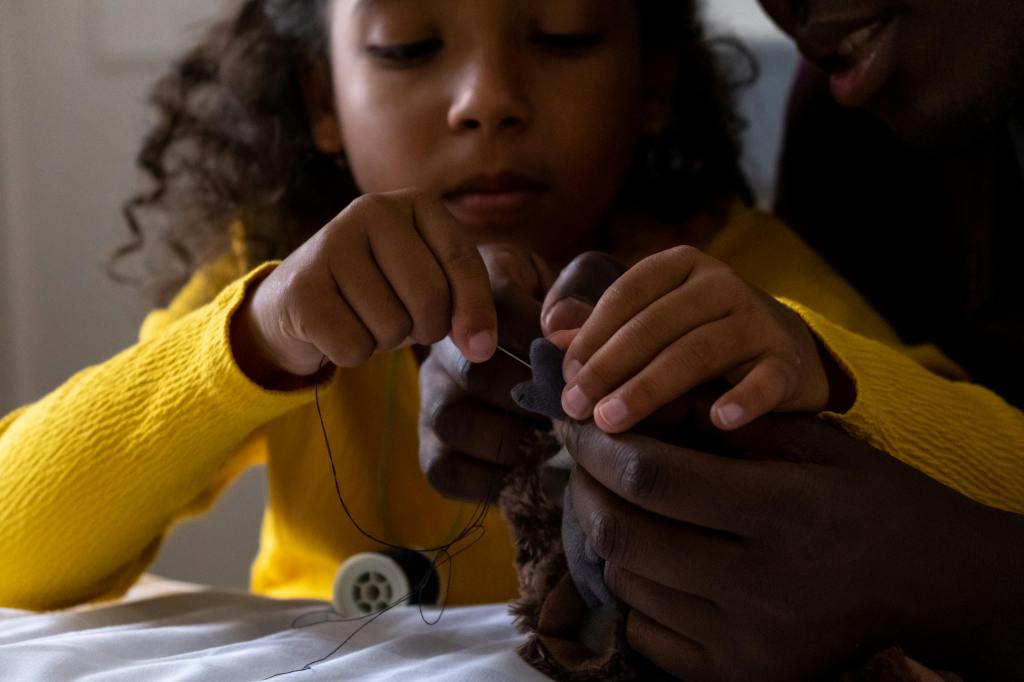
learn to sew!

Learning how to sew is like becoming a magical fabric wizard! Sewing isn’t just about making clothes—it’s about creating something special with your own two hands. When you know how to sew, you can fix a favorite stuffed animal, make cool outfits for your toys, or even create your own fashion designs. Sewing teaches us patience, creativity, and the joy of bringing our ideas to life. Plus, it’s a superpower that lets us express ourselves in unique and colorful ways. So, grab your thread and needles and get ready to stitch up some fun—it’s time to explore the wonderful world of sewing and let your imagination soar!

To get started learning to sew with your family, gather everyone together and choose a simple sewing project that’s perfect for beginners. Some great options for kids to learn include making felt animals, sewing buttons onto fabric squares to create a colorful patchwork, or stitching up a simple drawstring bag to hold treasures. Before you begin, make sure you have all the supplies you’ll need, like fabric, thread, needles, and scissors. Set up a comfortable workspace with plenty of room to spread out, and make sure everyone knows how to use the sewing machine safely if you’re using one. Start with a practice piece to get the hang of threading the needle and making stitches, and don’t be afraid to ask for help if you need it. Most importantly, have fun and enjoy the process of creating something special together as a family—sewing is all about making memories and cherishing the time spent with the ones you love!
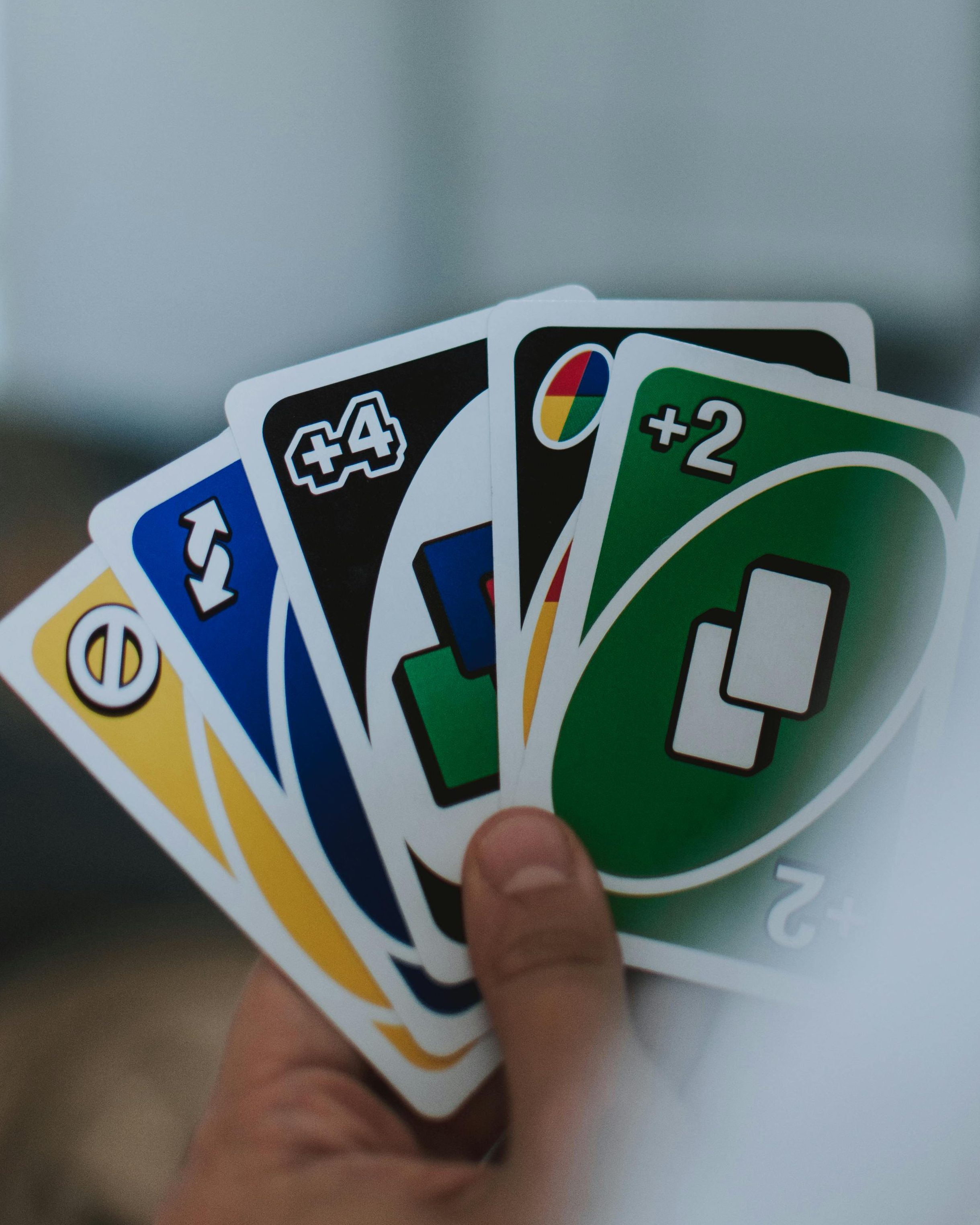
learn a new card game!

Learning a new card game is like discovering a treasure chest full of fun and excitement! Card games are not just about playing—they’re about learning new skills, making memories, and spending time with family and friends. When you learn a new card game, you unlock a whole world of strategy, laughter, and friendly competition. Plus, card games are portable, so you can play them anywhere, from the kitchen table to a cozy campsite. Whether you’re collecting sets in Go Fish, building towering card houses, or trying to outsmart your opponents in Uno, the joy of learning a new card game is endless. So, shuffle up the cards and get ready for an adventure—it’s time to deal out some smiles and create memories that will last a lifetime!

To get started learning a new card game with your family, gather everyone together and choose a game that’s easy to learn and fun for all ages. Some great options for kids to learn include Crazy Eights, Old Maid, and Slapjack. Before you begin, take some time to read through the rules together and make sure everyone understands how to play. Set up a comfortable playing area with plenty of space to spread out the cards, and gather all the supplies you’ll need, like a deck of cards and a flat surface to play on. Start with a practice round to get the hang of the game, and don’t be afraid to ask questions if you’re not sure about something. Most importantly, have fun and enjoy the time spent together as a family—win or lose, playing card games is all about making memories and having a great time!

learn to clean!

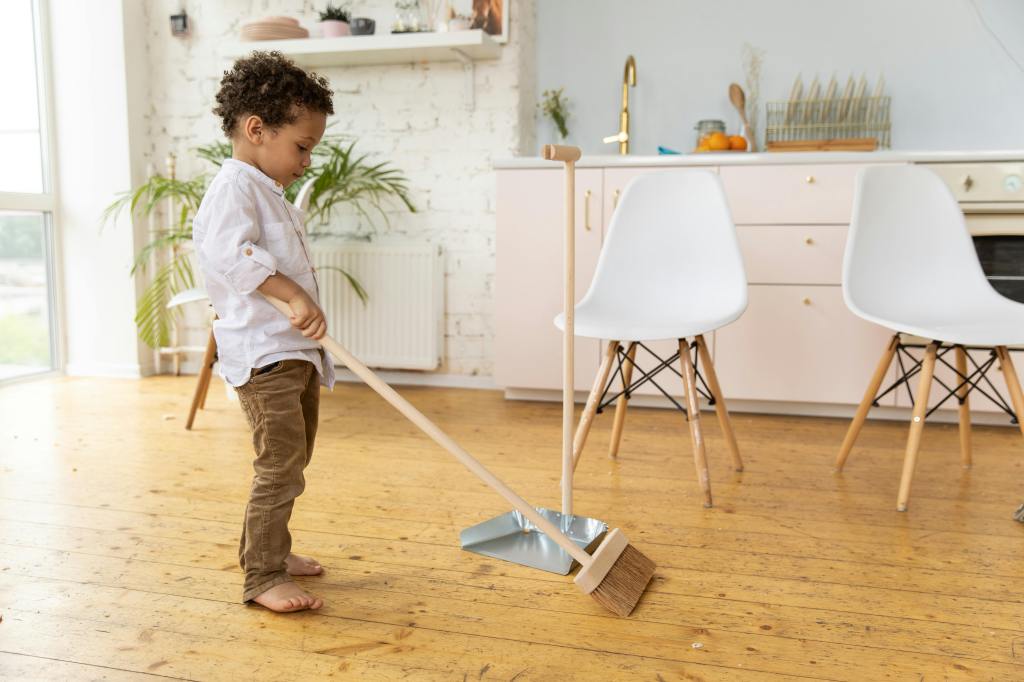
a boy sweeping the floor

Learning how to clean is like becoming a superhero who keeps their home sparkling and neat! Cleaning isn’t just about making things look nice—it’s about taking care of our space and making it a cozy and happy place to be. When you know how to clean, you can help your family keep your home tidy and safe for everyone. Plus, cleaning teaches us responsibility and teamwork as we work together to make our space shine. It’s like using magic powers to banish dirt and clutter! So, put on your cleaning cape and get ready to save the day—it’s a skill that’ll make you a household hero!

To start learning how to clean with your family, gather everyone together and make a plan for tackling chores as a team. Assign specific tasks to each person based on their age and abilities, and make sure everyone knows what they need to do. Gather all the cleaning supplies you’ll need, like brooms, mops, and sponges, and set up a cleaning station where everyone can easily access them. Put on some fun music to make cleaning feel like a dance party, and set a timer to keep everyone on track. Start with simple tasks like dusting or wiping down surfaces, and gradually work your way up to bigger jobs like vacuuming or cleaning the bathroom. And don’t forget to celebrate your hard work with a special treat or fun activity when you’re done! With teamwork and a positive attitude, cleaning can be a super-fun way to spend time together as a family.

learn to cook!

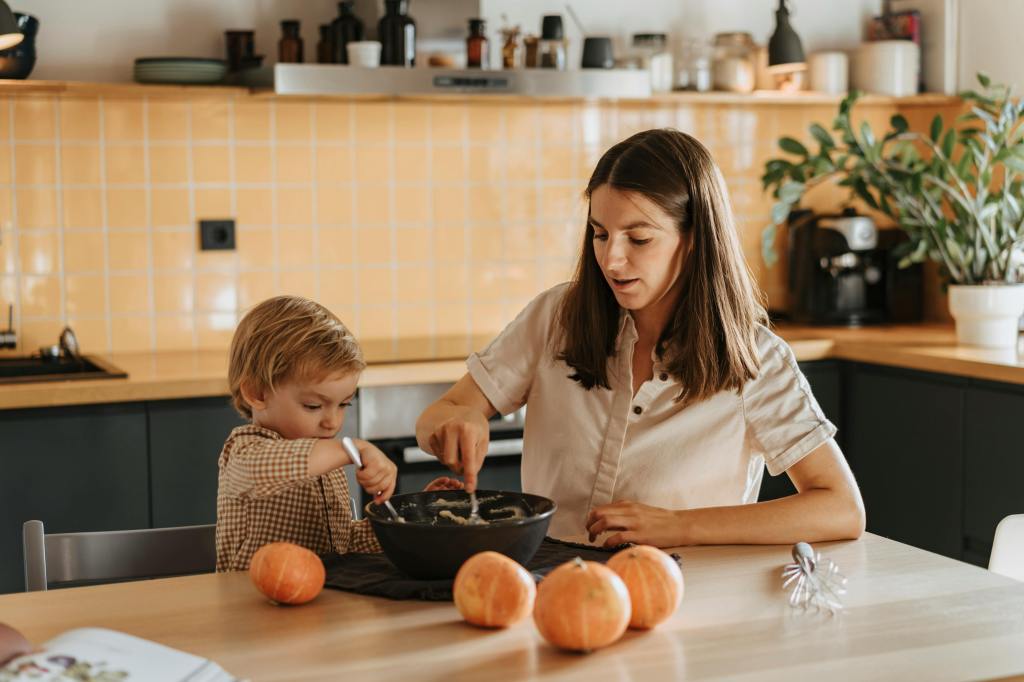
a mother and son cooking together in a kitchen

Learning how to cook is like becoming a kitchen magician! Cooking is not just about making yummy food—it’s about having fun, being creative, and spending time with your family. When you know how to cook, you can make all sorts of delicious dishes that make your tummy happy and your taste buds dance. Plus, cooking is a superpower that helps you take care of yourself and the people you love. It’s like a magical spell that turns ingredients into tasty meals! So, put on your chef’s hat and apron and get ready to whip up some culinary delights—it’s a skill that’ll make every mealtime a special adventure!

To start learning how to cook with your family, ask a grown-up to help you choose a simple recipe that you’d like to try together. Look for recipes that have easy-to-follow instructions and ingredients you can find at the store. Set aside some time when you can all work together in the kitchen without feeling rushed. Wash your hands and gather all the ingredients and cooking tools you’ll need—it’s like gathering ingredients for a potion! Follow the recipe step by step, and don’t be afraid to ask questions if you’re not sure about something. Cooking is all about experimenting and having fun, so don’t worry if things don’t turn out perfect the first time. And most importantly, enjoy the process and the delicious food you’ll create together as a family!

learn to read a map!

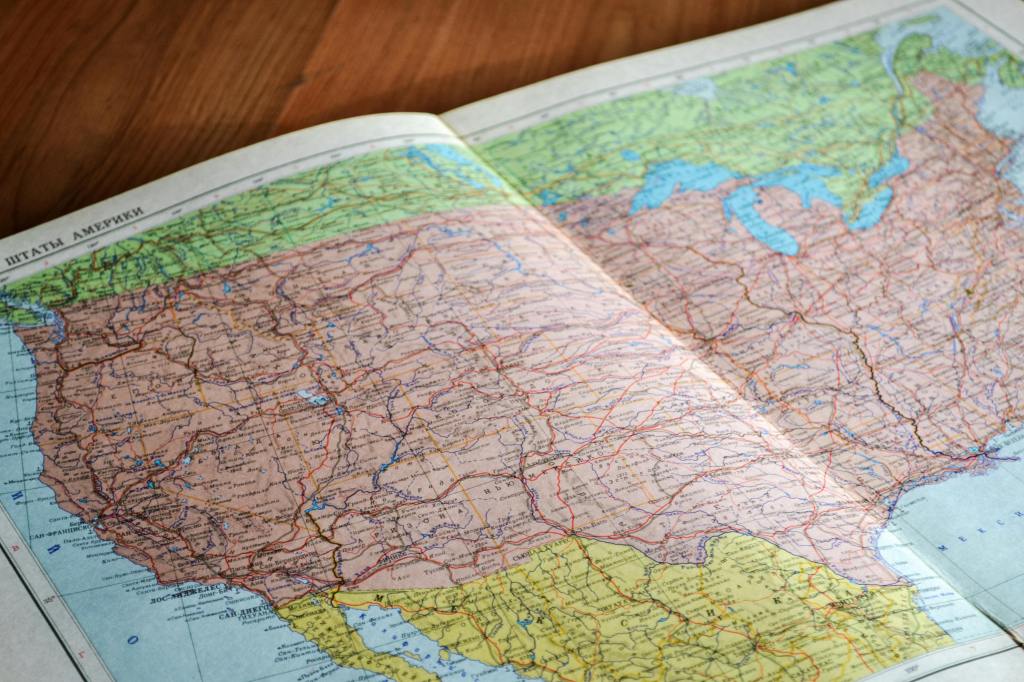
map of the United States

Learning how to read a map is like becoming a real-life explorer! Maps are magical tools that help us find our way around and discover new places. Whether you’re going on a big adventure or just exploring your neighborhood, knowing how to read a map can help you feel confident and independent. Maps show us where we are, where we want to go, and all the cool things we can find along the way. They’re like treasure maps that lead us to hidden gems and exciting adventures! So, grab your compass and get ready to unlock the mysteries of the world with the power of maps—it’s a skill that’ll make every journey more fun and exciting!

To start learning how to read a map, find a map of your neighborhood or a nearby park to practice with. Look for landmarks like streets, buildings, and parks, and try to match them up with what you see around you. Pay attention to the symbols and colors on the map—they can tell you important things like where roads are, where you can find water, and even where you might spot wildlife! Practice using a compass to figure out which direction you’re facing and how to follow the map’s directions. Start with short walks or bike rides using the map to guide you, and gradually work your way up to more adventurous outings. And remember, it’s okay to make mistakes—that’s how we learn! With a little practice and some help from your grown-up explorer buddies, you’ll soon be navigating the world like a pro!

learn to meal prep!

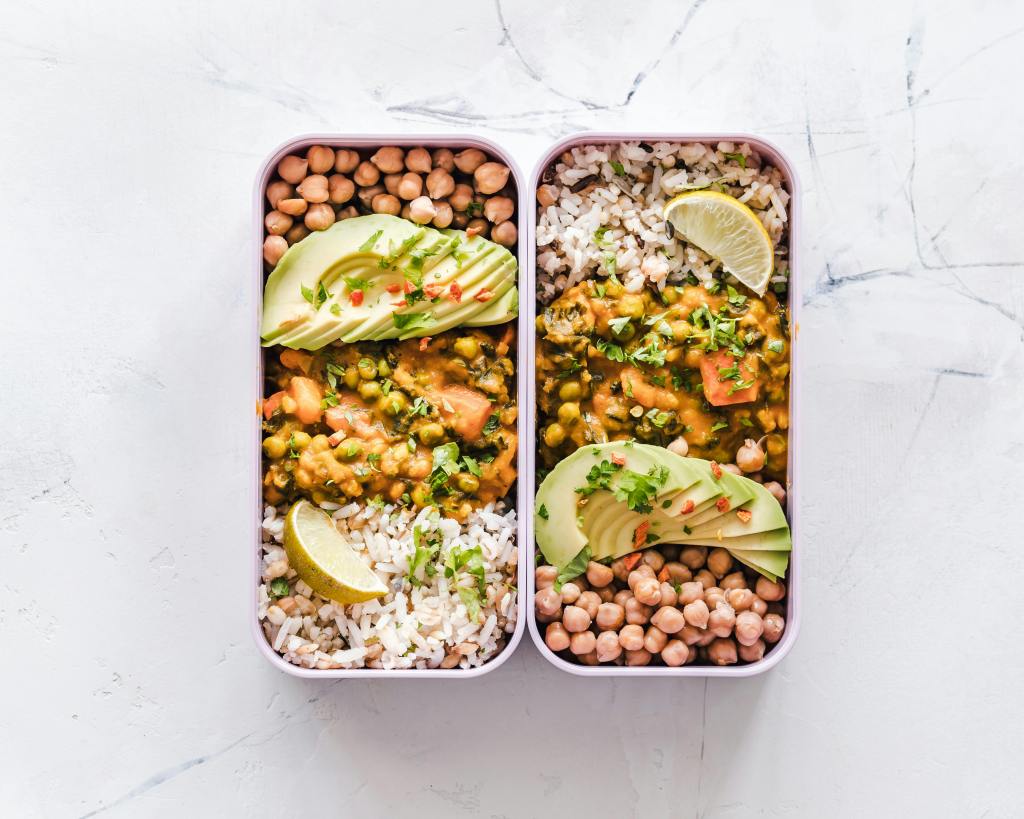
two meals with avocado, chick peas, and rice

Learning how to meal prep is like becoming a kitchen superhero! When you know how to meal prep, you can save time and have delicious meals ready to eat whenever you’re hungry. Meal prepping is all about planning ahead and getting creative with your favorite foods. It’s like putting together a puzzle, but instead of puzzle pieces, you’re putting together tasty meals! Plus, meal prepping can help you make healthier choices by having nutritious snacks and meals on hand. So, grab your apron and get ready to become a meal prep master—it’s a superpower that’ll make your tummy happy!

To start learning how to meal prep, pick a day when you have some free time to spend in the kitchen. Ask a grown-up to help you choose recipes that you love and that are easy to make in batches. Make a list of all the ingredients you’ll need and head to the store to get everything. Once you’re back home, set up your kitchen like a cooking adventure zone! Chop veggies, cook grains, and prepare proteins in advance so they’re ready to go when it’s time to assemble your meals. Invest in some reusable containers to store your prepped meals—it’s like packing your lunchbox with tasty surprises! And don’t forget to have fun and experiment with different flavors and combinations. Before you know it, you’ll be a meal prep pro, saving the day with delicious dishes!

learn to grocery shop!

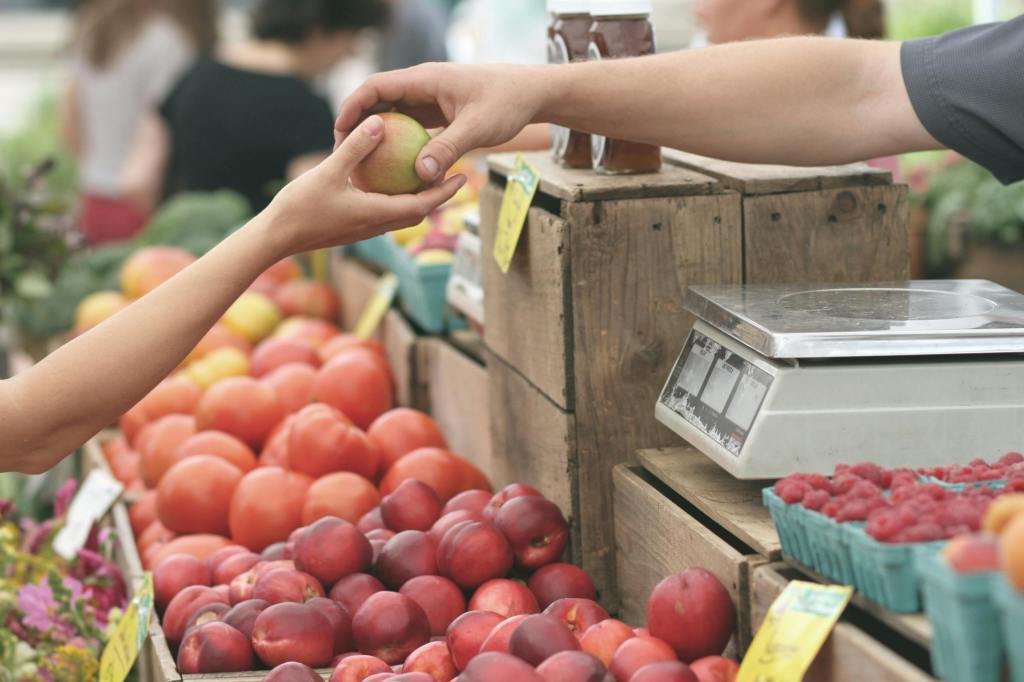
people grocery shopping for fruit

Learning how to grocery shop is like embarking on a fun adventure where you get to explore all sorts of yummy foods and learn important skills! When you know how to grocery shop, you can help your family pick out healthy foods that make you feel strong and energized. Plus, you’ll learn how to make smart choices about what you eat, like picking fruits and veggies that are colorful and tasty. Grocery shopping is also a chance to practice math skills by counting money and comparing prices. So, the next time you go to the store, remember that learning how to grocery shop is not just about getting food—it’s about becoming a super-smart shopper and taking care of yourself!

To start learning how to grocery shop, tag along with a grown-up on their next trip to the store. Ask lots of questions about how they decide what to buy and how they find the things they need. As you walk through the aisles, practice reading labels to see what’s in the food you’re buying. Make a list of the things you want to buy before you go to the store—it’s like having a treasure map to help you find everything you need! And don’t forget to bring reusable bags to help save the planet. With a little practice and some help from your family, you’ll soon become a grocery shopping pro!

learn basic first aid!

first aid kit with gloves, tweezers and other helpful items for first aid

Learning basic first aid is a crucial life skill that empowers individuals to respond effectively in emergency situations, potentially saving lives and minimizing harm. Whether it’s administering CPR to someone in cardiac arrest, providing immediate care for minor injuries, or recognizing the symptoms of a medical emergency, basic first aid knowledge equips individuals with the confidence and ability to act decisively when every second counts. Beyond its practical applications, learning first aid fosters a culture of safety and preparedness within communities, promoting resilience and well-being. By mastering essential first aid techniques, individuals become invaluable assets in times of crisis, capable of providing vital assistance until professional medical help arrives.

To begin learning basic first aid, start by enrolling in a certified first aid training course offered by reputable organizations such as the Red Cross or St. John Ambulance. These courses typically cover essential topics such as CPR, wound care, choking relief, and basic life support techniques. Familiarize yourself with common first aid supplies and their uses, such as bandages, adhesive tape, gloves, and disinfectants. Practice hands-on skills regularly, either through role-playing scenarios or by participating in practical exercises during training sessions. Stay updated on the latest first aid guidelines and techniques by attending refresher courses or accessing online resources and educational materials. Additionally, consider volunteering with local community organizations or emergency response teams to gain practical experience and further enhance your skills. By taking proactive steps to learn basic first aid, you’ll be better prepared to respond effectively in emergencies and make a positive difference in the lives of others.

learn to stargaze!

stars in the night sky

Learning to stargaze opens up a celestial window to the universe, offering profound insights into the vastness and beauty of the cosmos. Beyond its awe-inspiring spectacle, stargazing instills a sense of wonder, humility, and connection to something greater than ourselves. It serves as a reminder of our place in the universe and the mysteries that lie beyond our earthly confines. Moreover, stargazing cultivates a deep appreciation for the scientific principles that govern the cosmos, fostering curiosity and intellectual inquiry. As we gaze upon the stars, we are transported on a journey of exploration and contemplation, igniting a lifelong fascination with the wonders of the night sky.

To embark on the journey of learning to stargaze, begin by familiarizing yourself with the night sky and its prominent celestial objects. Invest in a quality telescope or pair of binoculars to enhance your viewing experience, and consider joining a local astronomy club or group for guidance and camaraderie. Start by identifying easily recognizable constellations and stars, using a star chart or smartphone app to aid navigation. Learn about the phases of the moon and how they affect stargazing conditions, as well as the best times and locations for optimal viewing. Embrace patience and perseverance as you hone your observation skills, and don’t hesitate to experiment with different viewing techniques and equipment. Most importantly, allow yourself to immerse in the beauty and wonder of the night sky, letting each stargazing session be a journey of discovery and awe.

learn to draw!

person drawing a monkey

Learning to draw is an invaluable skill that transcends mere artistic expression, offering a gateway to enhanced creativity, observation, and problem-solving. Through the act of drawing, individuals develop keen observational skills, learning to perceive the world with greater depth and detail. Moreover, drawing serves as a powerful means of communication, enabling individuals to convey ideas, emotions, and stories visually. It fosters patience, perseverance, and the willingness to embrace mistakes as part of the learning process. Beyond its practical applications, drawing nurtures a sense of mindfulness and presence, inviting practitioners to immerse themselves fully in the present moment. Ultimately, whether you aspire to become a professional artist or simply wish to cultivate a fulfilling hobby, learning to draw opens doors to a world of endless creativity and self-discovery.

To embark on the journey of learning to draw, begin by embracing a mindset of curiosity and experimentation. Equip yourself with the basic tools of the trade—a sketchbook, pencils of varying hardness, erasers, and perhaps a few instructional books or online resources. Start with simple exercises to hone your foundational skills, such as sketching basic shapes, practicing line work, and studying light and shadow. Don’t be afraid to make mistakes; instead, view them as opportunities for growth and refinement. Set aside dedicated time for regular practice sessions, gradually increasing the complexity of your subjects as your skills develop. Seek inspiration from the world around you, whether it’s through nature, everyday objects, or the work of other artists. Above all, be patient with yourself and enjoy the process of discovery as you journey toward mastering the art of drawing.