
Make Jewelry!

a bracelet made from wood and wire

Making jewelry from a kit offers numerous benefits, including fostering creativity and enhancing fine motor skills. It provides a hands-on opportunity for family members to design and craft their own unique pieces of jewelry, such as bracelets, necklaces, or earrings, using a variety of beads, charms, and findings. This activity encourages artistic expression and attention to detail, as individuals experiment with color combinations, patterns, and designs. Working with a jewelry kit also promotes patience and focus, as family members follow instructions and assemble components, leading to a sense of accomplishment and pride in their finished creations.

To make making jewelry from a kit a fun and memorable family activity, start by selecting a jewelry kit that suits everyone’s interests and skill levels, ensuring it includes a variety of components and tools. Set up a crafting area with ample space and organization for the beads, wires, and other materials. Encourage each family member to create their own piece of jewelry or collaborate on a design, sharing ideas and offering support throughout the process. Play music or enjoy snacks to create a relaxed and enjoyable atmosphere while crafting. Once the jewelry pieces are completed, have a mini fashion show where everyone can model their creations and celebrate each other’s designs. Capture photos of the finished jewelry and the crafting process to preserve memories of the creative experience. By making jewelry from a kit together, families can bond over a shared artistic endeavor, create personalized keepsakes, and enjoy the satisfaction of crafting unique accessories that reflect their individual styles and creativity.
Visit a farm or farmers market!

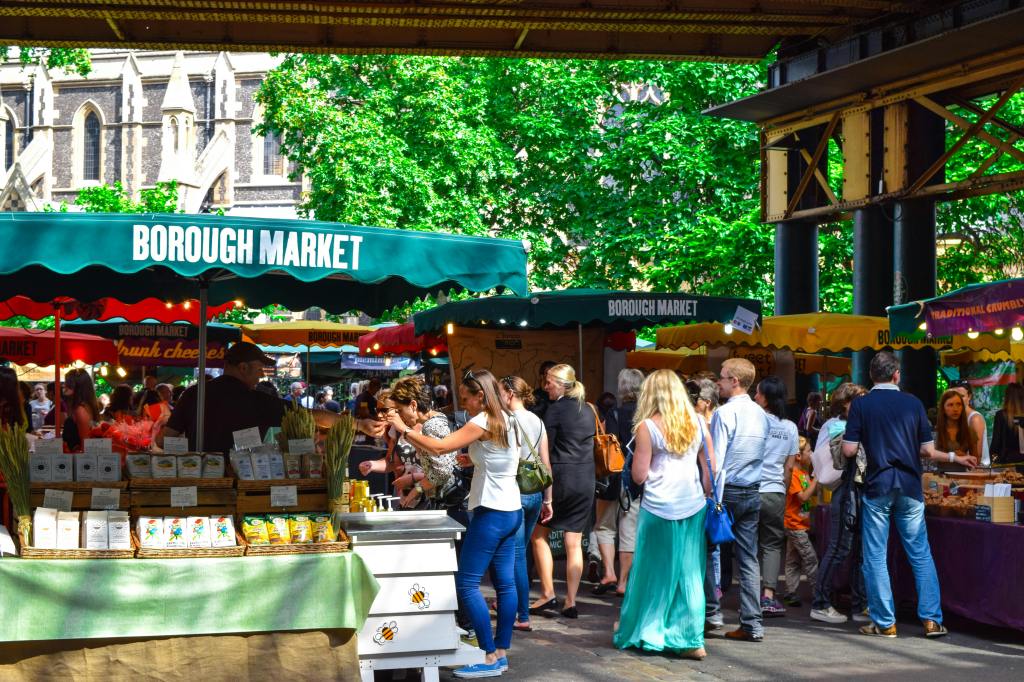
a farmers market with people picking fruit and vegetables

Visiting a farm or farmers market offers a range of benefits, including educational opportunities and a deeper connection to food and agriculture. It provides a chance for families to learn about where their food comes from, how it’s grown, and the importance of sustainable farming practices. Such visits can enhance knowledge about different fruits, vegetables, and local produce, promoting healthier eating habits and appreciation for fresh, seasonal ingredients. Additionally, interacting with farmers and local vendors fosters community connections and supports local economies, making it a rewarding and informative experience for all ages.

To create a fun and memorable experience while visiting a farm or farmers market, start by exploring the various activities and attractions available, such as picking your own fruits or vegetables, participating in farm tours, or engaging in interactive demonstrations. Encourage each family member to ask questions and learn more about the farming process, as well as to sample and purchase local products like fresh produce, homemade jams, or artisanal bread. Bring along a picnic to enjoy at the farm or market, savoring the fresh flavors and relaxing in the outdoor setting. Capture the experience with photos of the farm, market stalls, and family activities to create lasting memories. Consider making the visit a regular family tradition to further explore seasonal offerings and continue supporting local farmers. By visiting a farm or farmers market, families can deepen their connection to food, enjoy educational experiences, and create lasting memories filled with fresh discoveries and shared enjoyment.

build a model!

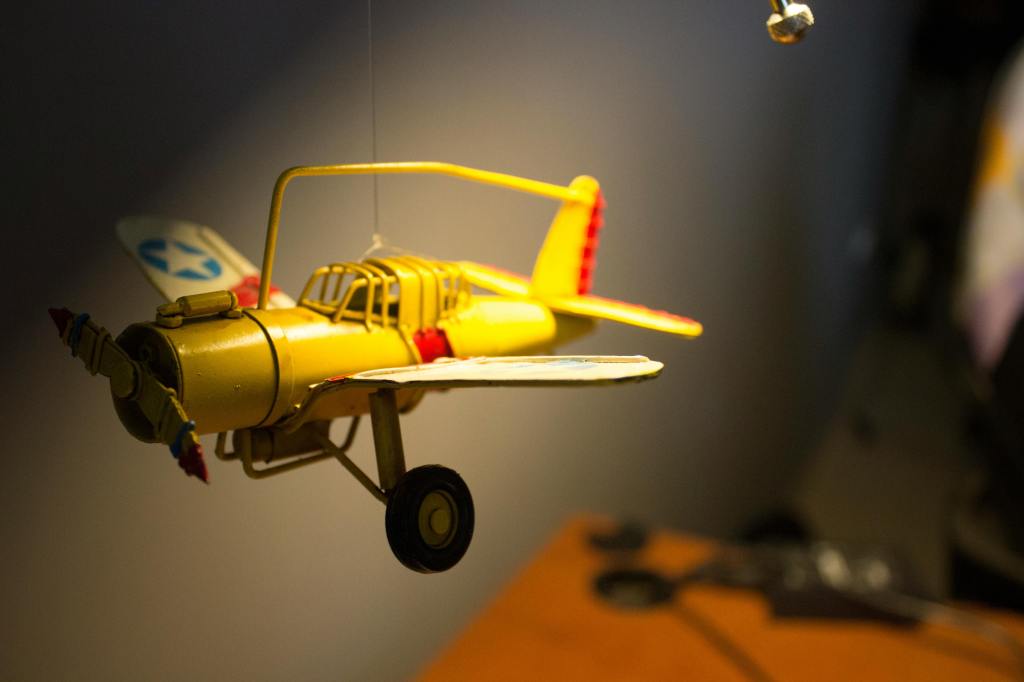
model plane hanging in the air

Building a model, whether it’s a scale model of an airplane, ship, or architectural structure, offers numerous benefits for families, including enhancing patience, precision, and problem-solving skills. It provides an opportunity for hands-on learning and attention to detail, as family members carefully assemble parts and follow instructions. This activity fosters creativity and critical thinking, as individuals interpret and execute design plans. Additionally, model building promotes teamwork and communication, as family members collaborate on tasks, share tips, and support each other throughout the process. It can be a rewarding and educational experience that also nurtures a sense of accomplishment upon completing the model.

To make building a model a fun and memorable family activity, start by selecting a model kit that aligns with the interests and skill levels of all family members. Set aside dedicated time for the project, ensuring everyone has a comfortable workspace and necessary tools. Break the model building process into manageable steps, assigning tasks to each family member based on their strengths and preferences. Engage in discussions about the model’s design and features, encouraging each person to share their insights and ideas. Celebrate milestones and progress with small rewards or treats, maintaining motivation and enthusiasm. Once the model is completed, display it proudly as a reminder of the collaborative effort and creativity invested. Capture photos of the finished model and the building process to create a keepsake of the experience. By building a model together, families can strengthen bonds, foster teamwork, and create lasting memories filled with learning, creativity, and shared achievement.

put on a puppet show!

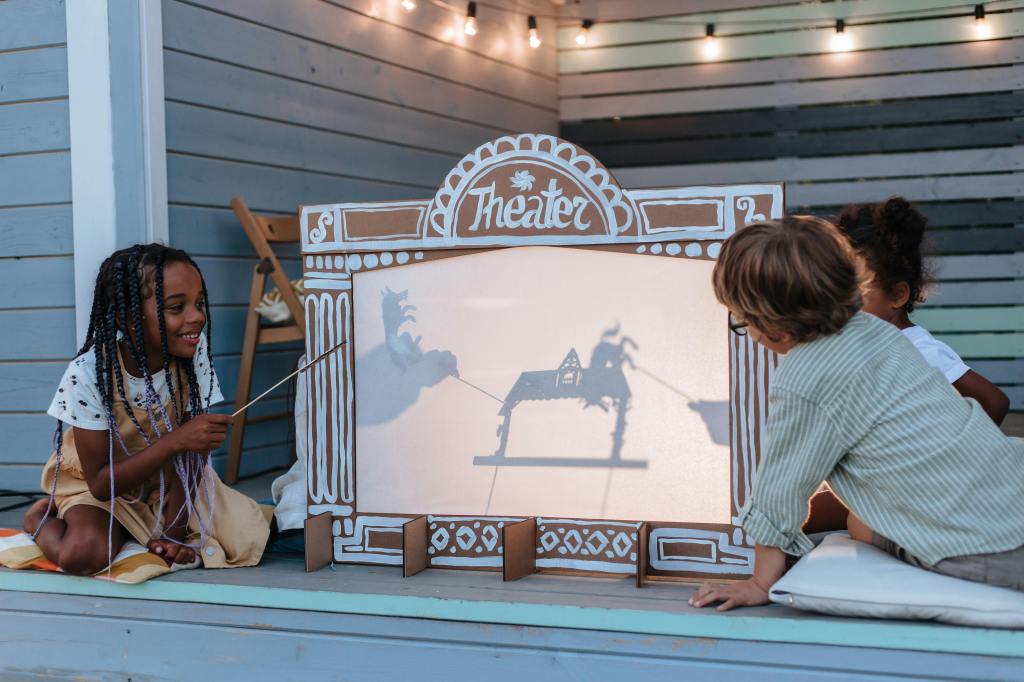
three kids having a puppet show on the porch

Putting on a puppet show can be a highly beneficial activity for families, as it fosters creativity, communication, and collaboration. It encourages family members to engage in storytelling, scriptwriting, and character development, allowing everyone to contribute their ideas and talents. Puppet shows help build confidence and presentation skills, particularly in children, as they take on roles and perform in front of an audience. This activity also enhances problem-solving and critical thinking as families work together to create puppets, develop plots, and stage the performance. Additionally, puppet shows provide a fun and interactive way to bond, laugh, and enjoy shared moments of entertainment and creativity.

To make putting on a puppet show a fun and memorable family experience, start by gathering materials to create homemade puppets using socks, paper bags, or craft supplies. Encourage each family member to design and personalize their own puppet, choosing unique features and characters. Collaborate on developing a simple script or story that incorporates everyone’s ideas and talents, assigning roles and scenes for each participant. Set up a designated performance area, such as a makeshift stage or a living room “theater,” and invite family members or friends to be the audience. Rehearse the show together, practicing lines, movements, and cues. During the performance, encourage enthusiasm and creativity, making the experience enjoyable for both performers and viewers. After the show, take time to reflect on the experience, share favorite moments, and celebrate the effort and creativity involved. Capture the performance with photos or videos to preserve memories and revisit the fun and laughter of the puppet show in the future. By putting on a puppet show, families can foster creativity, strengthen bonds, and create lasting memories filled with imagination and shared joy.

Chalk murals !

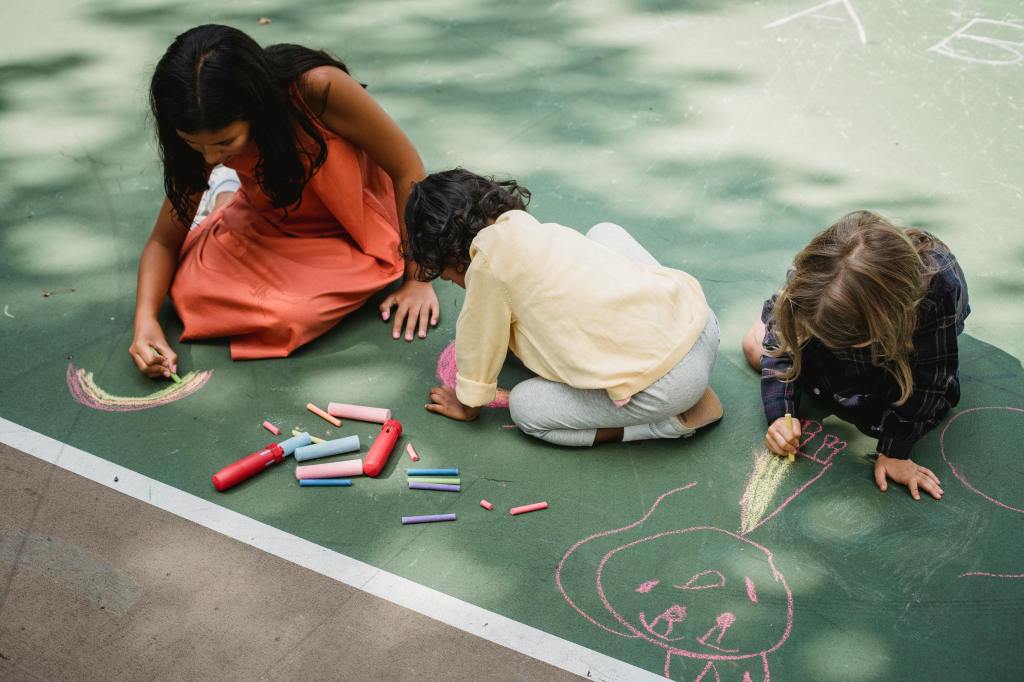
three girls drawing chalk murals on the ground

Drawing chalk murals as a family offers a creative and interactive way to unleash artistic expression while enjoying the outdoors. It encourages imagination and experimentation as family members collaborate to create colorful and whimsical artworks on driveways, sidewalks, or outdoor walls. Chalk murals promote artistic confidence and fine motor skills development, particularly in children, as they explore different textures and techniques using sidewalk chalk. This activity also fosters teamwork and communication as family members discuss ideas, share artistic tips, and work together to bring their collective vision to life. Chalk murals provide a temporary yet impactful canvas for self-expression, allowing families to engage with their community and passersby, spreading joy and creativity through vibrant, ephemeral artworks.

To create fun and lasting memories while drawing chalk murals as a family, start by gathering a variety of colorful sidewalk chalks and selecting a suitable outdoor space with a smooth surface. Brainstorm mural ideas together, from nature scenes and abstract designs to imaginative creatures or themed artworks. Assign sections of the mural to each family member based on their interests and artistic abilities, encouraging everyone to contribute their unique style and creativity. Play music or enjoy snacks while working on the mural to maintain a lively and enjoyable atmosphere. Take breaks to admire each other’s contributions, offer encouragement, and make adjustments as needed. Once the mural is complete, take photos to capture the artwork before it washes away with rain or foot traffic, preserving memories of the collaborative effort and creative spirit shared during this fun-filled family bonding activity. By drawing chalk murals together, families can create colorful masterpieces, strengthen bonds, and celebrate their artistic achievements in a unique and memorable way.

puzzle day!

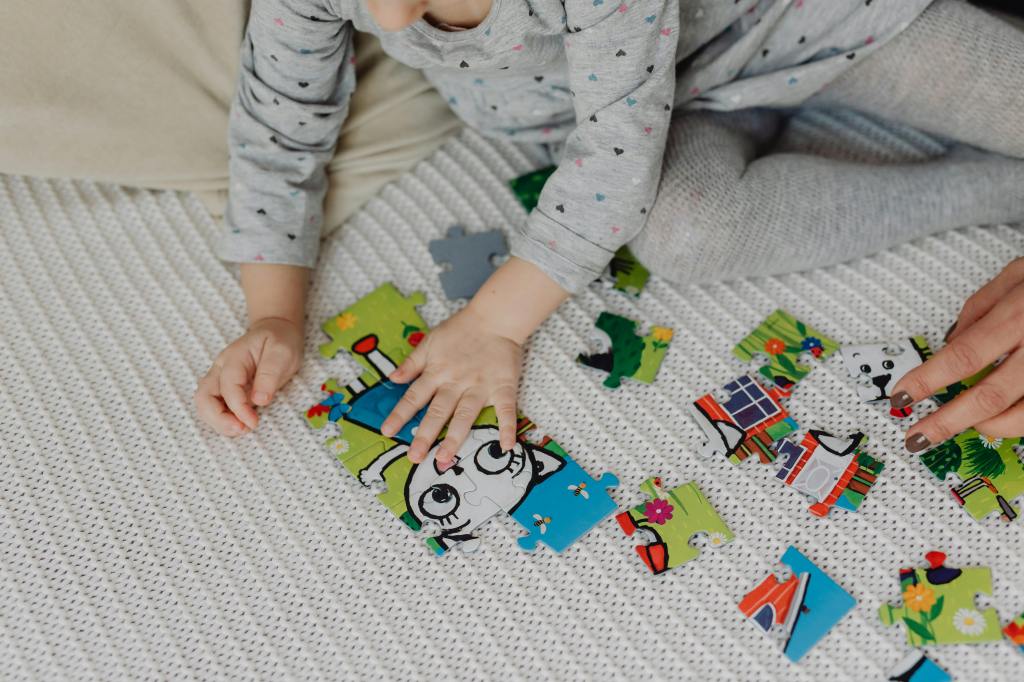
a child putting a puzzle together with their mother

Having a family puzzle day can be a wonderful way to promote collaboration, problem-solving, and quality time together. Puzzles challenge family members of all ages to work together towards a common goal, fostering teamwork and communication as they strategize and piece together the puzzle. It encourages cognitive skills such as pattern recognition, spatial reasoning, and perseverance, providing a fun and stimulating activity that also enhances mental agility. Family puzzle days also create opportunities for relaxed conversation, laughter, and shared achievements, as everyone works towards completing the puzzle and celebrating each piece fitting into place. It’s a low-pressure, yet engaging activity that promotes a sense of accomplishment and camaraderie within the family.

To make family puzzle day enjoyable and memorable, start by selecting a puzzle that appeals to everyone’s interests and skill levels. Set up a dedicated space with a large table or comfortable area where everyone can gather around the puzzle. Consider offering a variety of puzzle sizes and difficulty levels to accommodate different preferences. Begin by sorting and organizing the puzzle pieces together, discussing strategies for approaching the puzzle’s challenges. Encourage family members to take turns fitting pieces together, sharing insights and celebrating progress along the way. Play music or enjoy snacks together to create a relaxed and enjoyable atmosphere. Take breaks to admire the puzzle’s artwork or intricate details, capturing photos of the puzzle’s progress and completed masterpiece. Once finished, celebrate with a small ceremony or treat to commemorate the family’s accomplishment and reflect on the fun-filled memories created during family puzzle day. By participating in family puzzle day, you’ll strengthen bonds, promote teamwork, and create lasting memories filled with laughter, collaboration, and shared achievements that everyone will treasure.

paper airplane race!

two kids throwing paper airplanes outdoors

Having a family paper airplane race can be a delightful and engaging activity that promotes creativity, teamwork, and friendly competition among family members. It encourages problem-solving skills as participants design and fold their own paper airplanes, experimenting with different techniques and designs to achieve optimal flight performance. Paper airplane races also foster sportsmanship and communication as family members cheer each other on, share tips for improving flight distance or accuracy, and celebrate each other’s successes. This simple yet dynamic activity provides an opportunity for all ages to participate, creating a lighthearted and enjoyable atmosphere where laughter and excitement abound.

To make a family paper airplane race a fun and memorable bonding experience, start by gathering colorful paper, markers, and other decorations to personalize each airplane. Set up a designated launching area with clear boundaries for fair competition, such as a spacious backyard or a park with ample open space. Create different categories of races, such as longest distance flown, most aerobatic maneuvers, or accuracy challenges. Encourage family members to test and adjust their airplanes before the races begin, fine-tuning their folding techniques for optimal performance. Take turns launching the airplanes and record results to determine winners in each category. After the races, host an awards ceremony to celebrate everyone’s efforts and achievements with certificates or small prizes. Capture photos or videos of the races to document the fun-filled moments and create a scrapbook or digital album to preserve memories of this enjoyable family activity. By participating in a family paper airplane race, you’ll create lasting memories, strengthen bonds, and foster a spirit of creativity and friendly competition that everyone will cherish.

family time capsule!

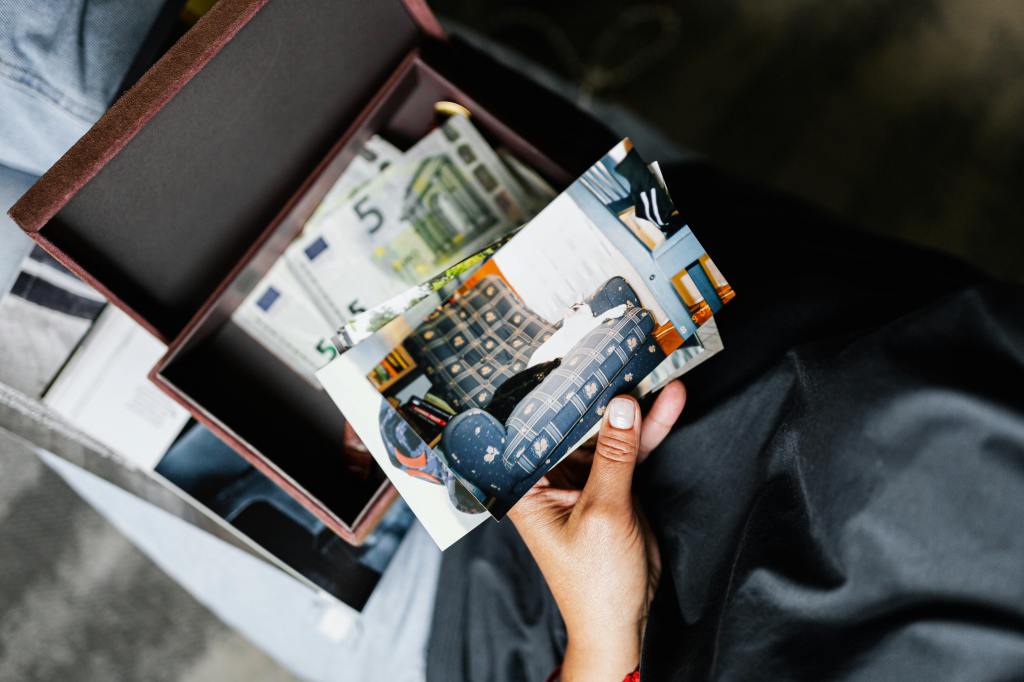
Creating a family time capsule can be a meaningful and educational activity that preserves memories and strengthens familial bonds. It provides an opportunity for family members to reflect on past experiences, milestones, and significant moments together, fostering a sense of nostalgia and connection across generations. Making a time capsule encourages collaboration and communication as family members decide what items or memories to include, sparking discussions about values, aspirations, and shared history. It promotes creativity as individuals contribute personal items, photos, letters, or mementos that represent their unique perspectives and identities. A family time capsule also serves as a tangible reminder of cherished memories and serves as a treasure trove to be revisited in the future, celebrating growth and the passage of time as a family.

To create a fun and memorable family time capsule, start by selecting a sturdy container or box that can withstand the test of time. Set aside a special day or evening dedicated to gathering items and memories to include in the capsule. Encourage each family member to contribute meaningful items such as photographs, handwritten notes, drawings, or small keepsakes that capture their interests and personalities. Consider adding current newspapers, popular toys or gadgets, or a family recipe to reflect the present moment. Take turns sharing stories or anecdotes about why each item is significant and what it represents. Decorate the time capsule together with stickers, drawings, or personal touches that reflect the family’s creativity and personality. Once sealed, bury the time capsule in a secure location or store it in a safe place with a planned date for opening in the future, such as a milestone anniversary or family reunion. By creating a family time capsule, you’ll create lasting memories, strengthen bonds, and leave a legacy of shared experiences and values for future generations to cherish and appreciate.

create with Lego’s!

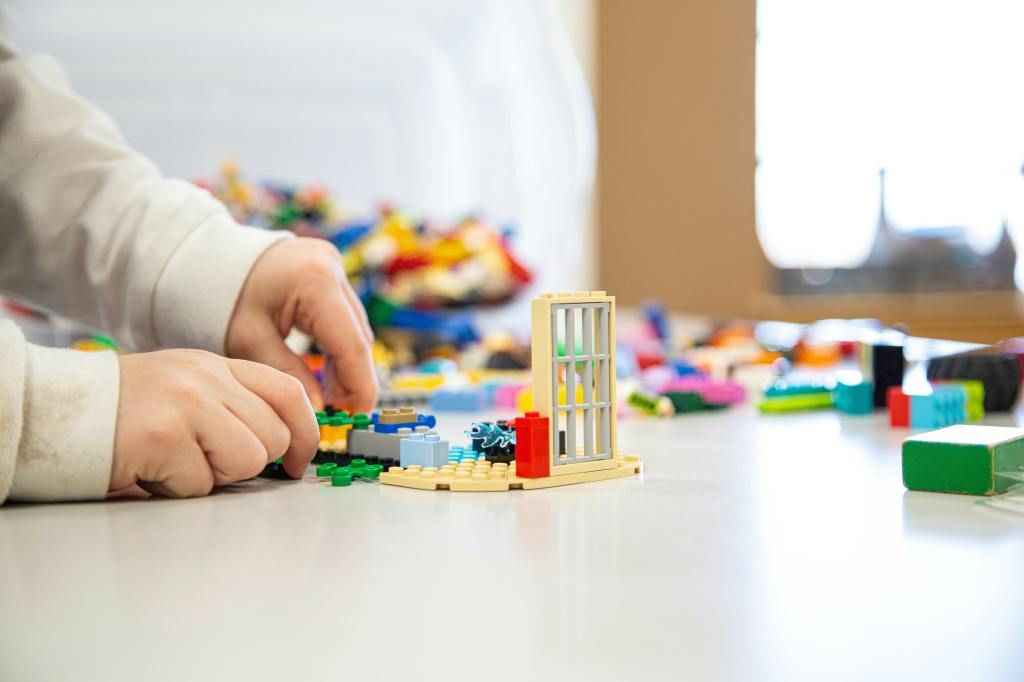
person building with Lego's

Creating with LEGO bricks offers numerous benefits for families beyond just building structures. It fosters creativity, imagination, and problem-solving skills as family members collaborate to design and construct unique creations. LEGO play promotes hands-on learning and experimentation, encouraging innovation and critical thinking in a fun and engaging way. It also supports fine motor skills development and spatial awareness, particularly in younger children, while providing a platform for storytelling and role-playing that enhances language and communication skills. LEGO building sessions can be a therapeutic and relaxing activity that allows families to unwind, connect, and express themselves creatively through building and play.

To make creating with LEGO bricks a fun and memorable bonding experience for your family, start by selecting a variety of LEGO sets or bricks that cater to different interests and skill levels. Set aside dedicated time and a comfortable workspace where everyone can spread out and build together. Encourage each family member to share their ideas and collaborate on building projects, whether it’s designing a cityscape, constructing vehicles, or creating imaginary worlds. Consider incorporating challenges or themes to inspire creativity, such as building the tallest tower or recreating a favorite scene from a movie or book. Take breaks to admire and discuss each other’s creations, sharing stories and ideas behind the designs. Capture photos of the finished projects to document the family’s LEGO-building journey and display them proudly as reminders of the shared creativity and bonding experiences. By engaging in LEGO play as a family, you’ll cultivate teamwork, creativity, and lasting memories filled with laughter, exploration, and imaginative building adventures together.

visit a museum!

Visiting a museum as a family offers a wealth of educational and enriching benefits. It provides an opportunity to explore history, art, science, and culture firsthand, expanding knowledge and curiosity among family members of all ages. Museums spark intellectual stimulation and critical thinking as visitors engage with exhibits, artifacts, and interactive displays. They promote learning in an immersive and inspiring environment, encouraging discussions and reflections on diverse topics. Museums also foster a sense of appreciation for creativity, innovation, and human achievement, making them valuable spaces for both personal growth and shared exploration within families.

To make visiting a museum a fun and memorable bonding experience for your family, start by selecting a museum that aligns with everyone’s interests, whether it’s art, natural history, technology, or local culture. Plan ahead by checking for special exhibitions, events, or guided tours that may enhance the experience. Encourage family members to actively participate in exploring exhibits, asking questions, and sharing observations. Create a scavenger hunt or quiz related to museum themes to make the visit interactive and engaging. Take breaks to discuss favorite exhibits or moments over snacks or lunch at the museum cafe. Consider purchasing souvenirs or postcards as keepsakes to remember the visit. By immersing yourselves in the museum’s offerings, your family can cultivate a deeper understanding of history and culture while forging lasting memories filled with discovery, learning, and shared enthusiasm for knowledge.